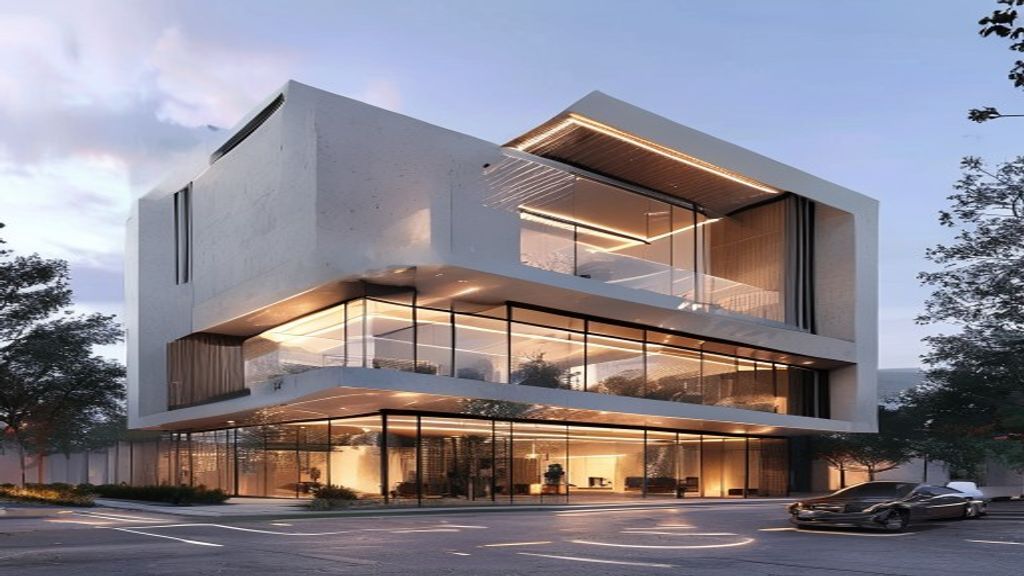
The Role of Architectural Design in Building Projects
Architecture is simultaneously a technical discipline and a creative one. The architect must reconcile the client's functional requirements, aesthetic aspirations, budget, regulatory constraints, site conditions, structural logic, and environmental performance into a coherent set of design decisions that then guide every subsequent engineering and construction activity on the project.
Poor architectural design creates a cascade of problems: inefficient floor plans that waste rentable area, buildings that are expensive to build because of unnecessary complexity, structures that fail to meet permit requirements, or spaces that simply do not feel good to inhabit. Exceptional architectural design, by contrast, maximises value at every stage — from the efficiency of the structural grid to the quality of natural light in occupied spaces.
The Phases of Architectural Design
TechVisionEra follows an internationally standard design process across all architectural projects:
1. Concept Design
The concept phase translates the client brief into an architectural vision: site organisation, massing strategy, façade character, spatial sequence, and relationship to surroundings. TechVisionEra produces concept designs as 3D massing models, mood boards, and sketch-level floor plans to allow early client review and direction before committing to detailed design.
2. Schematic Design
Schematic design develops the approved concept into coordinated floor plans, sections, and elevations at a sufficient level of detail to establish areas, structural grid, external envelope, and major space relationships. This stage is typically used for preliminary cost estimation and structural briefing.
3. Design Development
Design development resolves all major architectural decisions in detail: window and door schedules, façade materials and systems, interior partition layouts, ceiling heights, finishes, and coordination with MEP and structural engineering. The design development package is used for authority submissions in most jurisdictions.
4. Construction Documentation
Construction documentation — the most technically intensive phase — translates the design into a complete set of permit-ready and contractor-ready drawings: detailed floor plans, elevations, sections, details, schedules, and specifications. This package forms the legal basis for building permits and contractor tendering.
BIM in Architectural Design
TechVisionEra's architectural design is executed in BIM from the outset. This means the building model is a three-dimensional information source — not merely a collection of 2D drawings. BIM architectural models enable accurate area calculations, automatic generation of section and elevation drawings from the 3D model, real-time coordination with structural and MEP disciplines, and production of 3D visualisation renders directly from design models without separate rendering software.
For clients, BIM means fewer surprises. The building you review at design development stage is spatially accurate and coordinated — what you see is what gets built.
Sustainable and Climate-Responsive Design
Every building sits in a specific climate. An architectural design developed without reference to sun angles, prevailing wind, humidity, and rainfall will produce a building that fights its environment — requiring excessive energy to cool, poorly lit, and uncomfortable. TechVisionEra's architectural approach includes passive design analysis: optimising building orientation, window-to-wall ratios, shading device design, and natural ventilation potential to reduce the MEP load before any active systems are even designed.
For projects targeting LEED, BREEAM, or other green building certifications, our architectural team integrates the sustainability requirements from concept stage rather than treating them as an afterthought — which is the only approach that achieves meaningful performance without design compromise.
International Design Compliance
TechVisionEra's architects are experienced with the regulatory frameworks that govern building design across multiple jurisdictions. Whether a project requires compliance with Syrian building regulations, Gulf (UAE/KSA/Qatar) authority requirements, European planning frameworks, or international building codes such as IBC (International Building Code), our team navigates these requirements as part of the design process rather than discovering conflicts at permit submission.
For internationally funded or multinational development projects, having an architectural team that understands cross-border compliance requirements is a significant advantage.
Share your project's site orientation and local climate data at the first briefing. Solar path analysis at the design stage can reduce cooling loads by 20–35% for Middle East projects — a saving that compounds over the building's entire lifecycle.
3D Visualization and Client Communication
Decision-making is easier when you can see what you are deciding. TechVisionEra produces high-quality 3D architectural renderings and walkthroughs at key design stages, allowing clients to experience their project before construction begins. We also produce accurate daylight simulation studies and shadow analysis diagrams where these are required by planning authorities or client preference.
Good architectural visualisation is not a luxury — it is a risk management tool. Clients who approve design decisions based on clear visual representations of their building have fewer change orders during construction, leading to lower final costs and faster project delivery. Contact us to discuss your architectural design requirements.

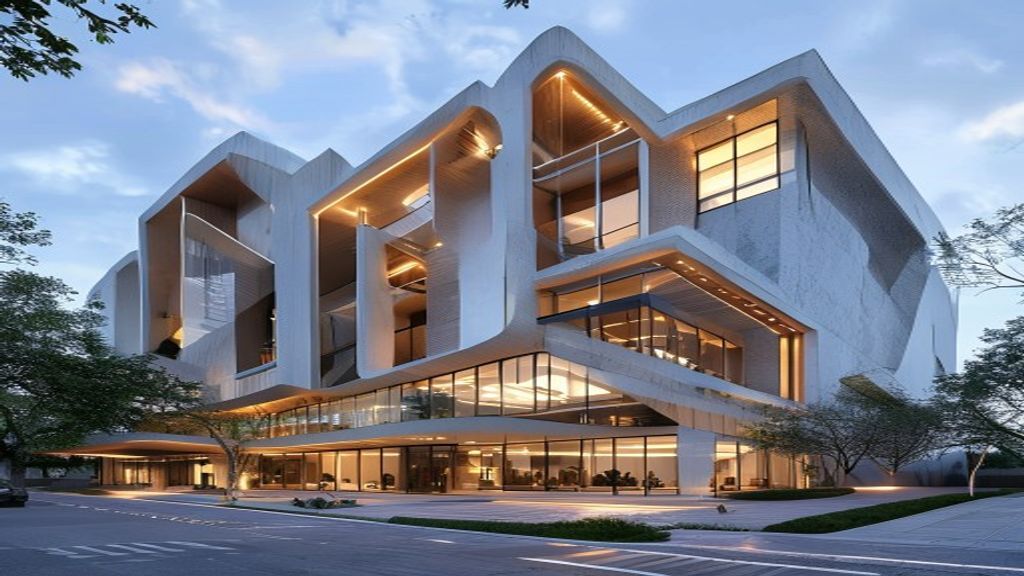
Key Takeaway
An architectural design brief is worth every hour invested. The clearer your vision at the start, the more efficiently TechVisionEra transforms it into a permit-ready, buildable package that all downstream engineers and contractors can work from — without expensive iteration cycles.
Frequently Asked Questions
TechVisionEra offers full-service architecture from concept through construction documentation: concept design and massing, schematic design, design development, permit submissions, construction documentation, and BIM-coordinated drawing packages for all building types.
A standard project moves through four phases: Concept Design (massing and spatial vision), Schematic Design (floor plans and elevations), Design Development (detailed coordination), and Construction Documentation (permit-ready and contractor-ready drawings).
Yes. We produce photorealistic 3D renderings, massing models, and where required, animated walkthroughs directly from BIM models. These help clients visualise design decisions before committing to construction and are useful for marketing and authority submissions.
Yes. We produce full construction documentation sets including detailed floor plans, elevations, sections, schedules, and specifications formatted for building permit submission in the client's jurisdiction, including compliance with local building codes.
We work with Syrian building regulations, Gulf authority requirements (Dubai Municipality, ADSM, Saudi SBC), IBC (International Building Code), Eurocode BS standards, and other jurisdiction-specific codes as required by the project and client location.
TechVisionEra uses a shared BIM model for all three disciplines. The architectural model defines the envelope and spatial layout; structural and MEP engineers work within this model so that all coordination happens digitally before any drawings are issued for construction.
Yes. We undertake renovation, extension, and adaptive reuse projects with existing building assessments, as-built documentation, design for change of use, and new construction documentation compatible with the existing structure.
Yes. Our interior decoration team works alongside the architectural design team to provide integrated interior design including space planning, finishes specification, furniture layouts, and detailed fit-out drawings as part of a combined service.
Standard deliverables include PDF drawings (plot-ready), DWG/DXF for CAD use, RVT (Revit model), and IFC (open BIM format) for coordination with third-party engineers and contractors. We also provide DWFx for lightweight 3D review.
A residential villa concept through construction documentation typically takes 6–12 weeks. A multi-storey commercial building may require 12–24 weeks depending on complexity, authority review cycles, and client decision-making timelines.
Absolutely. We have extensive experience designing climate-responsive buildings for MENA conditions: optimising orientation, shading devices, high-performance envelope systems, and passive cooling strategies that significantly reduce HVAC load.
A concept design establishes the architectural vision — massing, spatial organisation, and character — at a sketch or schematic level. Construction documents are fully detailed, dimensioned, and specified drawings that contractors use to build the project and authorities use to issue permits.
Yes. Our architectural portfolio spans residential villas, apartment buildings, mixed-use developments, commercial offices, retail spaces, hotels, and industrial facilities across MENA and international markets.
Contact us via WhatsApp at +60 10-247 3580 or email info@techvisionera.com with your project brief, site size, approximate building area, and desired deliverables. We respond with a scope of work and fee proposal within 24 hours.