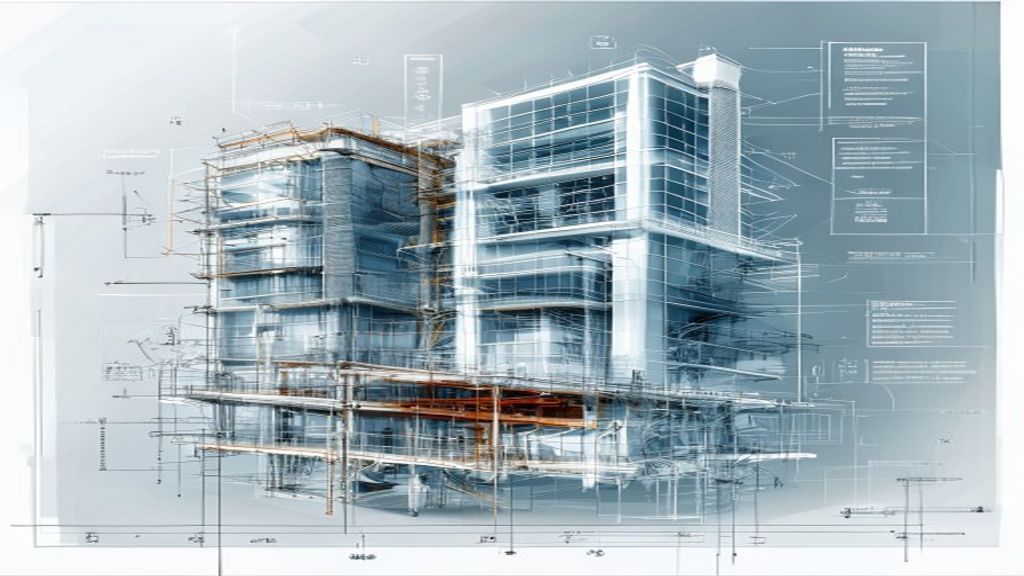
What Is MEP Engineering?
MEP engineering encompasses three critical building systems: Mechanical (HVAC — heating, ventilation, and air conditioning), Electrical (power distribution, lighting, data, and safety systems), and Plumbing (water supply, drainage, and fire protection). These systems are invisible to building occupants when they work correctly — and extremely disruptive and expensive when they do not.
A well-designed MEP package ensures that a building maintains comfortable temperatures, has reliable electrical power, delivers clean water, safely removes waste, and protects occupants from fire. MEP systems typically represent 30–45% of a building's total construction cost, making MEP design one of the highest-value engineering disciplines in any project.
HVAC Design: Comfort, Efficiency, and Air Quality
HVAC design begins with a rigorous thermal load analysis — calculating the heating and cooling demands of every space in the building based on its orientation, envelope performance, occupancy profile, and internal heat gains from people, lighting, and equipment. This analysis drives the sizing of air handling units, chillers, fan coil units, ductwork, and distribution systems.
TechVisionEra's HVAC design covers:
- Central air-cooled and water-cooled chiller systems
- Variable Refrigerant Flow (VRF/VRV) systems for zoned comfort control
- Air handling units (AHUs) with heat recovery where climate warrants
- Ductwork distribution design with pressure loss and noise calculations
- Mechanical ventilation for car parks, kitchens, and utility spaces
- Energy modelling and ASHRAE/EN 15251 compliance documentation
In the hot, humid climates prevalent across the MENA region, HVAC engineering is not merely a comfort consideration — it is a critical health and safety requirement. Under-designed or poorly coordinated HVAC systems lead to excessive energy consumption, poor air quality, and premature equipment failure.
Electrical Systems Design
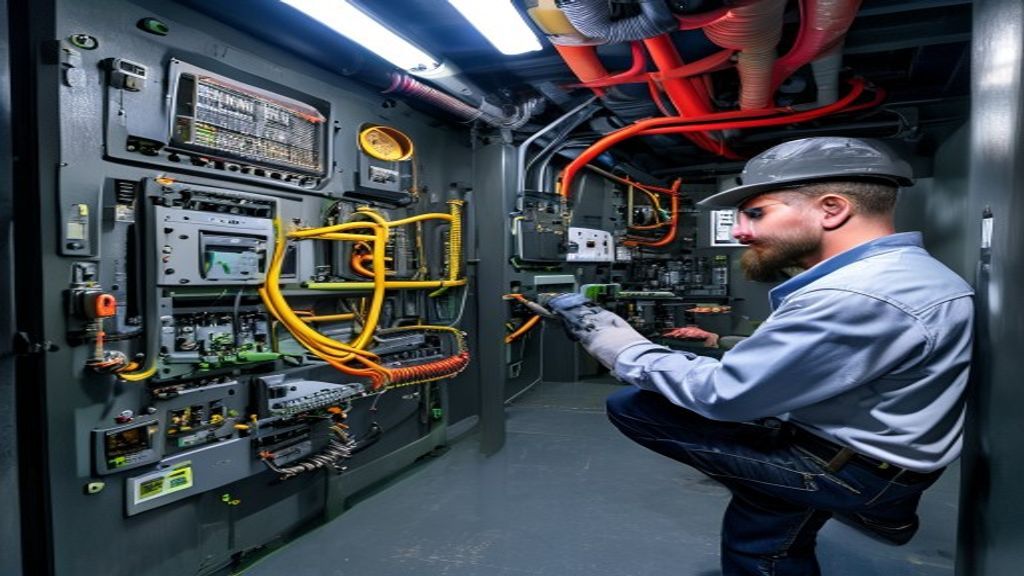
Electrical engineering for buildings encompasses far more than simply routing power cables. A comprehensive electrical design includes: utility connection and transformer sizing, medium and low voltage distribution networks, consumer unit and switchboard design, power factor correction, emergency generation and UPS systems, lighting design with energy compliance calculations, lightning protection, earthing systems, building management system (BMS) integration, security systems, CCTV, access control, data and structured cabling networks, and fire alarm systems.
TechVisionEra's electrical engineers design all of these systems with a focus on reliability, energy efficiency, and compliance with IEC standards and local grid requirements. We size cables, breakers, and busbars with appropriate safety margins and future load growth factored in.
Plumbing, Drainage & Fire Protection
Plumbing design covers domestic cold and hot water systems including storage, pressurisation, and distribution; sanitary drainage including stacks and horizontal runs; rainwater drainage; grease traps for commercial kitchens; and water treatment where required. TechVisionEra designs plumbing systems that comply with BS EN standards and local plumbing codes, with particular attention to pipe sizing, flow rates, and pressure maintenance across all floors of multi-storey buildings.
Fire protection is a life-safety system that TechVisionEra designs in full coordination with architectural and structural disciplines. Our fire protection scope typically covers wet-pipe sprinkler systems, fire hydrant networks, fire hose reels, and the associated pump sets, tanks, and pipework. We produce full hydraulic calculations to verify system performance.
BIM Coordination: The Key to Clash-Free MEP
MEP systems are volumetrically intensive — ductwork, pipe runs, cable trays, and conduit occupy significant space, and their routing must navigate around structural beams, architectural features, and each other. The most common cause of costly on-site delays in building construction is MEP clashes discovered after work has started.
At TechVisionEra, all MEP design is executed within a shared BIM environment, coordinated in real time with structural and architectural models. We run automated clash detection (using Navisworks or equivalent) before issuing any MEP drawings for construction. The result: MEP packages that are buildable from day one, with coordinated ceiling void allocations, penetration schedules, and service corridor layouts that contractors can follow without improvisation.
Provide floor-to-floor heights and ceiling void depths early in the MEP brief. Tight floor zones are the single biggest driver of coordination clashes — knowing this upfront lets TechVisionEra route systems optimally from the very first model.
MEP for Energy Efficiency and Sustainability
Modern buildings increasingly must meet energy performance targets — whether for regulatory compliance, green building certification (LEED, BREEAM, Estidama), or simply to reduce operating costs. MEP systems are the primary driver of a building's energy consumption, and MEP design decisions made at the concept stage have a 10× greater impact on lifetime energy use than any changes made later in the process.
TechVisionEra integrates energy efficiency considerations throughout MEP design: high-efficiency chillers and boilers, demand-controlled ventilation, LED lighting with daylight sensors, heat recovery from exhaust air, variable speed drives on pumps and fans, and sub-metering strategies that enable facilities teams to identify and eliminate energy waste. Get in touch to discuss how we can optimise the MEP performance of your next project.
Key Takeaway
MEP coordination through BIM is the single biggest lever to reduce construction surprises. TechVisionEra's integrated approach means your mechanical, electrical, and plumbing systems arrive on-site as a pre-resolved package — not problems to fix later.
Frequently Asked Questions
MEP stands for Mechanical, Electrical, and Plumbing. It covers the HVAC systems, electrical power and lighting networks, plumbing and drainage, and fire protection systems that make a building functional and safe for occupants.
MEP systems represent 30–45% of total building construction cost and determine the comfort, safety, and energy efficiency of the building. Poor MEP design leads to high energy bills, occupant discomfort, regulatory compliance issues, and costly on-site clashes during construction.
We design chilled water systems, VRF/VRV multi-split systems, air handling units, fan coil units, ductwork distribution networks, mechanical ventilation for car parks and kitchens, and exhaust and fresh air systems for all building types.
Our electrical scope includes: LV power distribution, switchboards, consumer units, lighting design with energy calculations, emergency generation, UPS systems, lightning protection, earthing, BMS integration, fire alarm, CCTV, access control, and structured cabling networks.
Yes. We design wet-pipe sprinkler systems, fire hydrant and hose reel networks, FM200 or clean agent suppression rooms, and the associated pump sets, flow switches, and control panels with full hydraulic calculations.
TechVisionEra works in a shared BIM environment where MEP, structural, and architectural models are coordinated simultaneously. Automated clash detection (Navisworks or equivalent) is run before issuing drawings, ensuring all service routes are buildable without on-site improvisation.
We use Autodesk Revit MEP for BIM modelling, AutoCAD for detailed drawings, Navisworks for clash detection, and specialist software for HVAC load calculations (HAP/IDA ICE), lighting simulation (DIALux), and hydraulic calculations.
Significantly. Well-designed MEP systems — high-efficiency chillers, demand-controlled ventilation, LED lighting, heat recovery, variable speed drives, and smart sub-metering — can reduce a building's energy consumption by 25–50% versus minimum-code-compliant design.
We design to IEC standards for electrical systems, ASHRAE standards for HVAC (including ASHRAE 90.1 for energy), BS EN standards for plumbing and drainage, and NFPA/BS EN 12845 for fire protection. Local regulations are incorporated where applicable.
A standard MEP package includes: load calculations (thermal, electrical, hydraulic), equipment schedules, BIM coordination models, single-line diagrams, ductwork and pipework layout drawings, cable routing drawings, specification documents, and clash-free composite coordination drawings.
Yes. We design MEP systems for residential villas, apartment blocks, and housing developments, including individual apartment MEP layouts, common area systems, and building-wide electrical and plumbing infrastructure.
Yes. We have experience with MEP design for data centres, hospitals, hotels, industrial facilities, and other specialist building types with demanding MEP requirements including redundant power systems, precision cooling, and high-reliability plumbing infrastructure.
Yes. We can produce full dynamic energy models (using IDA ICE or EnergyPlus) to evaluate building energy performance, test different MEP system options, and produce compliance documentation for LEED, BREEAM, or local green building standards.
Contact us via WhatsApp at +60 10-247 3580 or email info@techvisionera.com with your building type, size in square metres, location, and a brief description of the MEP scope. We respond with a fee proposal and project schedule within 24 hours.