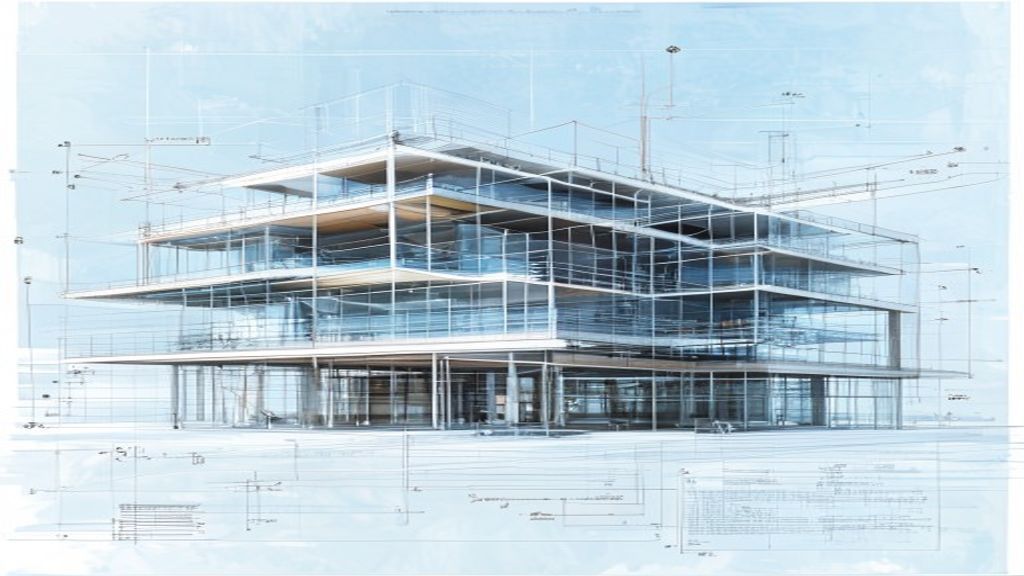
What Does a Structural Engineer Actually Design?
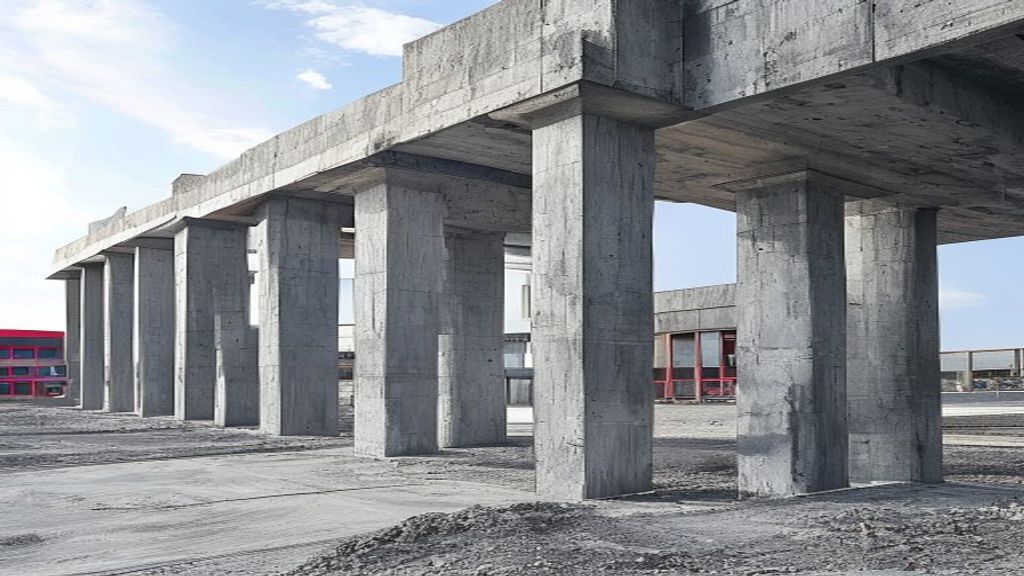
Structural engineering is the discipline responsible for ensuring that buildings and infrastructure can safely resist the forces acting on them — gravity, wind, seismic activity, temperature changes, and dynamic loads from occupants and equipment. A structural engineer designs the load-bearing skeleton of a building: foundations, columns, beams, slabs, shear walls, and retaining structures. Without a sound structural design, no amount of architectural beauty or mechanical sophistication matters — the building will not stand.
At TechVisionEra, our structural engineering scope covers the full lifecycle of design: from initial feasibility and conceptual sizing through detailed structural analysis, BIM modelling, reinforced concrete or steel detailing, foundation design, and complete construction documentation suitable for contractor tendering and building permits.
BIM-Coordinated Structural Design: Why It Changes Everything
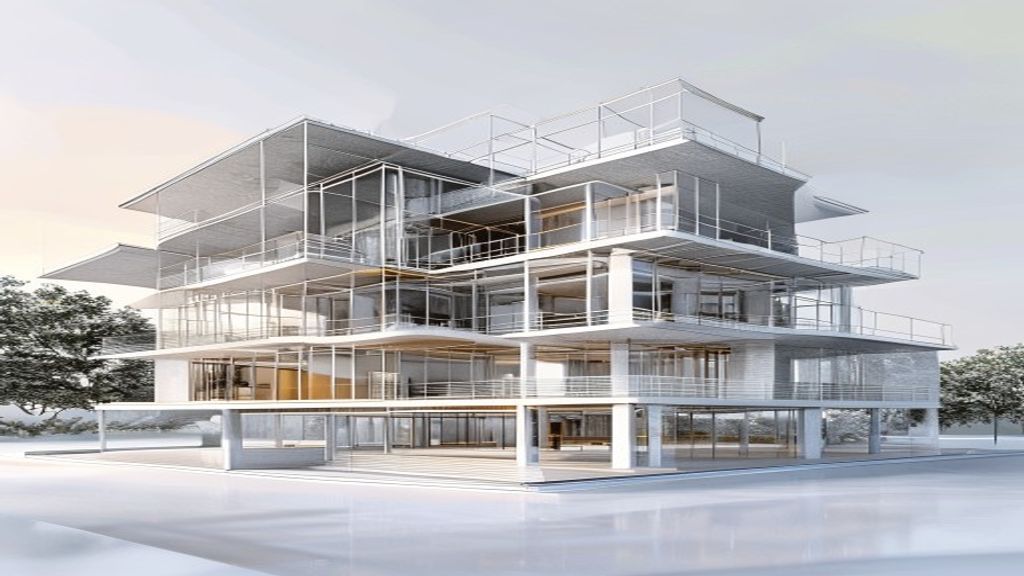
Building Information Modelling (BIM) has transformed structural engineering from a largely 2D drafting exercise into a fully coordinated, three-dimensional process. When TechVisionEra designs a structure in BIM, every beam, column, slab, and connection exists as a parametric object with defined dimensions, materials, and load properties. This model is shared across structural, MEP, and architectural disciplines simultaneously.
The result is a structural package free from clash conflicts before a single shovel hits the ground. Traditional design frequently discovers on-site that a structural beam sits exactly where a mechanical duct needs to run, or that a foundation element clashes with a drainage line. BIM eliminates these surprises — and the costly, schedule-impacting changes they cause.
Our BIM structural models also produce precise quantity surveys directly, meaning the material quantities in our documentation reflect the actual design — not estimations. This gives contractors accurate bill of quantities for bidding, and clients certainty over their construction budget.
Eurocode Compliance and International Standards
TechVisionEra's structural designs are developed in compliance with internationally recognised standards, primarily the Eurocode suite (EN 1990–EN 1999), which governs structural reliability, loading, concrete design, steel design, geotechnical design, and seismic design across European and MENA markets. Where projects require specific national annexes or alternative standards such as ACI 318 (American Concrete Institute) or BS 8110, our team adapts accordingly.
Eurocode compliance matters for several reasons. It ensures consistency of structural safety levels across jurisdictions. It demonstrates due diligence to clients, authorities, and insurers. And it establishes a clear, auditable basis for every design decision — from material safety factors to load combination methodology.
For international clients whose projects span multiple countries, having a Eurocode-based structural package provides a portable, internationally understood technical foundation that local engineers and reviewers can verify and approve.
Remote Structural Engineering: How It Works
The majority of TechVisionEra's structural engineering clients are located outside Syria, receiving complete structural packages delivered entirely online. Remote structural engineering works because the core deliverables — BIM models, structural calculation reports, reinforced concrete drawings, structural steel fabrication drawings, and quantity surveys — are digital documents that can be transmitted, reviewed, and built from anywhere in the world.
Our remote delivery process is straightforward: clients provide site survey data, geotechnical reports, architectural intent drawings, and relevant site parameters. TechVisionEra's structural team performs the full analysis, design, and documentation. Completed packages are delivered via secure file transfer and include technical support during the review and contractor bidding phases. Any revision cycles are handled online with full version control.
Structural Engineering for Every Building Type
Our structural experience spans a wide range of building typologies, each with its own structural challenges and optimal solutions:
- Residential villas and apartments: Optimised reinforced concrete flat slabs, moment frames, and strip or raft foundations on varying soil conditions.
- Commercial and office buildings: Efficient column grids, large-span structural systems, and façade integration.
- Mixed-use developments: Transfer structures, podium slabs, and basement retaining walls for multi-use towers.
- Industrial facilities: Heavy-duty floor slabs, crane beam systems, pre-engineered steel structures, and mezzanine floors.
- Seismic-zone structures: Ductile moment-resisting frames and shear wall systems for earthquake-hazard regions.
Key Deliverables in a Structural Package
A complete TechVisionEra structural engineering package typically includes:
- Structural analysis reports (ETABS / SAFE / SAP2000 output)
- Foundation design drawings and geotechnical recommendations
- Reinforced concrete structural drawings (all levels)
- Structural steel fabrication drawings (where applicable)
- Connection details and construction sequences
- BIM coordination model (Revit or IFC format)
- Bill of Quantities (BOQ) for structural materials
- Structural design statement for permit submission
Always request a BIM IFC model alongside your 2D drawings. It lets your MEP and fit-out teams detect clashes digitally — preventing weeks of costly on-site rework.
Choosing the Right Structural Engineering Partner
The structural engineering firm you choose directly affects the safety, cost, and buildability of your project. Generic CAD-drafting services produce structural drawings that may satisfy form but fail under scrutiny — during permit review, contractor value engineering, or under actual loading. TechVisionEra's structural team brings deep engineering knowledge, proven software proficiency, and international project experience to every engagement.
Whether you are a developer looking for a reliable structural partner for a residential tower in the MENA region, an international architecture firm needing coordination-ready BIM structural models, or a contractor seeking detailed shop drawings for complex structures, TechVisionEra delivers structural engineering you can build on — literally and figuratively. Contact our structural team to discuss your project today.
Key Takeaway
A Eurocode-compliant, BIM-coordinated structural package from TechVisionEra is not just a set of drawings — it is an engineering foundation accepted by contractors, permit authorities, and financiers worldwide. Remote delivery means your project location is never a barrier.
Frequently Asked Questions
TechVisionEra provides full-scope structural engineering including structural analysis and design, BIM coordination, foundation design, reinforced concrete and steel detailing, quantity surveys, and construction documentation for residential, commercial, industrial, and mixed-use buildings worldwide.
We use industry-standard software including ETABS and SAFE for building structural analysis, SAP2000 for complex structural systems, and Autodesk Revit for BIM modelling. All software outputs are validated and cross-checked before issuing drawings.
Yes. TechVisionEra's structural designs comply with the Eurocode suite (EN 1990–EN 1999), covering structural reliability, loading, concrete, steel, and geotechnical design. We can also work to ACI 318, BS 8110, or other standards where project requirements specify.
Yes. Most of TechVisionEra's structural projects are delivered entirely remotely. We receive your site data, architectural intent, and geotechnical reports online and return a complete structural package — including BIM models, calculation reports, and full drawing sets — via secure file transfer.
BIM (Building Information Modelling) means every structural element is modelled as an intelligent 3D object coordinated with MEP and architectural models. This eliminates clashes, generates accurate quantities, and dramatically reduces costly on-site surprises.
We design residential villas and apartment buildings, commercial offices, mixed-use developments, industrial facilities, and seismic-zone structures. Our experience covers single-storey up to high-rise multi-storey buildings across MENA and international markets.
A standard structural package includes: structural analysis reports, foundation design drawings, reinforced concrete and steel drawings for all levels, connection details, BIM coordination model (Revit/IFC), Bill of Quantities, and a design statement for permit submissions.
A residential villa typically takes 2–4 weeks. A multi-storey commercial building may require 6–12 weeks for the complete structural package. We provide a project schedule at the start of every engagement with clear milestones.
Yes. For Syria-based projects, TechVisionEra offers on-site structural inspections, construction supervision, and quality control in addition to our remote design services. We can provide both engineering design and field oversight in one integrated engagement.
Structural engineering focuses on designing the load-bearing elements of buildings and structures. Civil engineering is broader, covering roads, bridges, drainage, water systems, and site infrastructure. TechVisionEra's structural team specialises in building structures.
Yes. We offer third-party structural design reviews, peer checks, and assessment of existing structures for capacity or change of use. This service is available remotely with access to the original drawings and calculation documentation.
Contact us via WhatsApp at +60 10-247 3580 or email info@techvisionera.com with your project description, location, size, and any existing drawings. We respond with a consultation and fee proposal within 24 hours.
Yes. Our structural team has experience with post-tensioned concrete slab systems, which are used in large-span commercial buildings, podium slabs, and transfer plate structures to optimise depth and reduce column count.
Absolutely. TechVisionEra's BIM-first workflow ensures structural models are coordinated in real time with architectural and MEP disciplines, eliminating the clashes that typically emerge during construction and saving significant time and cost.